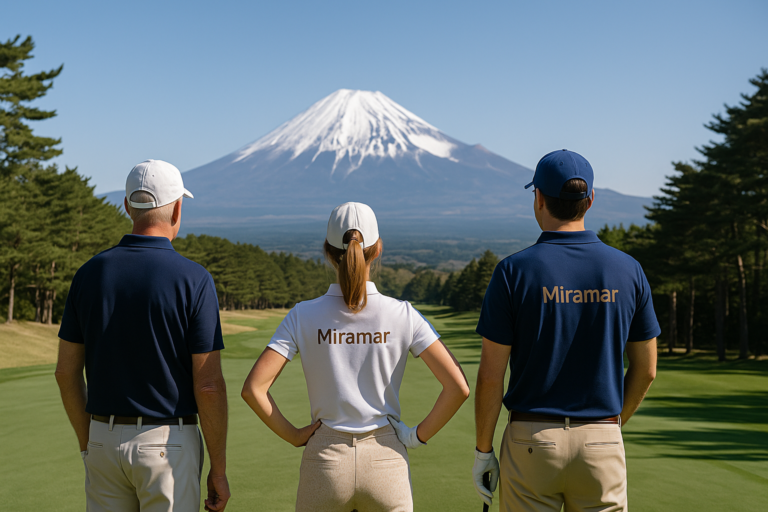
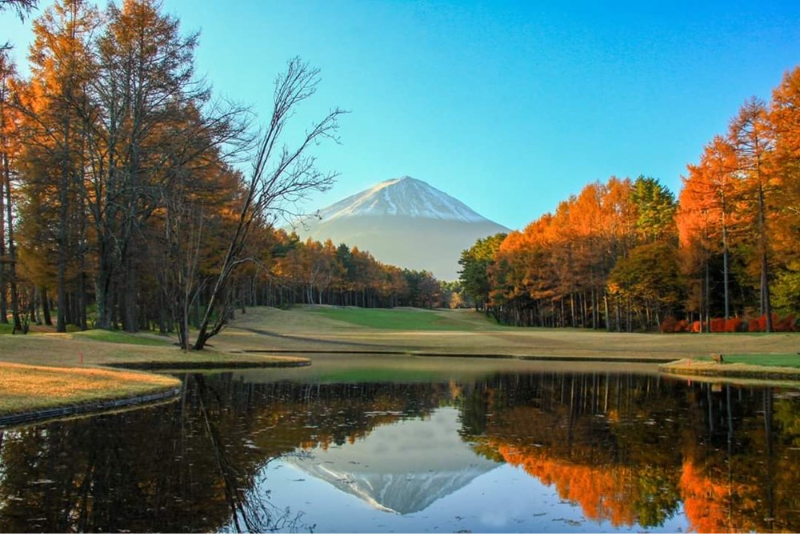
Mt. Fuji is not one compact golf destination. Kawaguchiko and Narusawa sit on the north side of the mountain, Yamanakako lies to the east, and Gotemba and Oyama form a different operating base to the southeast. The right area depends on the courses, hotel style and onward route—not only the desire to see Mt. Fuji.
For a multi-round trip, choose one primary base and add a second only when it removes meaningful driving or creates a distinct destination experience.
Regional comparison at a glance
| Region | Best known for | Hotel and route logic | Main planning caution |
|---|---|---|---|
| Kawaguchiko | Lake resort setting and north-side Fuji access | Works with Lake Kawaguchi stays and northern courses | Demand, weekend traffic and course access need early checking |
| Narusawa | Forest and highland golf | Often paired with Kawaguchiko lodging | Course names and access conditions can be confused; confirm the exact club |
| Yamanakako | Quieter lake-side resort rhythm | Useful with east-side routes and nearby stays | Long day trips from Tokyo can undermine the resort experience |
| Gotemba and Oyama | Broad course choice and practical east-side routing | Strong base for several rounds and onward Tokyo/Hakone movement | Famous courses may have restricted or date-specific visitor access |
The Golf Course Directory should be used to inspect individual courses after selecting the region.
Kawaguchiko: lake resort and north-side golf
Kawaguchiko works for travelers who want golf integrated with a recognizable Fuji and lake destination. It can support a relaxed hotel programme and selected courses around the northern side.
Its strength is not universal convenience. Road conditions, weekend demand and sightseeing traffic can affect transfers. A Tokyo day trip followed by a very early tee time is less coherent than arriving in the region the previous day.
Kawaguchiko can suit first-time visitors who value destination atmosphere as much as course difficulty, provided the selected course accepts the group on the requested date.
Narusawa: highland forest courses
Narusawa’s golf identity is shaped by forested, higher-elevation terrain. Well-known courses attract experienced golfers, but access and visitor inventory vary.
Narusawa Golf Club, Forest Narusawa Golf & Country Club and other similarly named venues are different clubs. The itinerary and confirmation should use the exact official name and address. A famous course should remain a preference until its tee time is formally secured.
For a group playing several rounds, balance difficulty. Three demanding courses in succession may sound impressive but can make the journey less enjoyable for mixed handicaps.
Yamanakako: a slower eastern lake base
The Lake Yamanaka area offers a different resort rhythm and can work well when the group prefers nearby accommodation and a quieter schedule. It is especially useful when the route continues toward Subashiri, Oyama or Gotemba.
A Yamanakako round is less compelling when inserted as a long out-and-back drive from Tokyo with no time in the region. Consider staying nearby or combining it with the next golf base.
Gotemba and Oyama: operational range for several rounds
Gotemba and nearby Oyama provide a practical base for multi-round planning because several course options can be considered within the broader area and the route can connect with Tokyo, Hakone or onward travel.
The region also includes courses with different access models—from visitor-friendly options to clubs with restricted inventory or specific booking conditions. A group should shortlist a preferred course and realistic alternatives rather than treating one prestige name as guaranteed.
Tokyo access is directional
“From Tokyo” is not one origin. Shinjuku, Marunouchi, Haneda, Narita and a suburban hotel produce different routes. Morning traffic and the course’s arrival requirement matter more than a best-case map time.
For a single round, choose the region that fits the hotel and confirmed tee time. For several rounds, move to a regional hotel rather than repeating long Tokyo transfers.
One base or two?
Use one base when
- the three course options are in a practical radius;
- the group values no repacking;
- non-golfers can follow a coherent local programme;
- the final onward route remains sensible.
Add a second base when
- the trip intentionally compares north- and east-side golf;
- it removes a long return after a late finish;
- the second hotel is a meaningful ryokan or resort experience;
- the journey continues in that direction.
Do not change hotels merely to make the itinerary look more varied.
Which region suits which group?
First-time Japan golfers often benefit from a balanced course, a clear hotel base and modest transfer times. Experienced players may prioritize more strategic or restricted clubs, but should accept backup courses. Larger groups need enough consecutive tee-time inventory and may find the broader Gotemba/Oyama area operationally easier than a narrow prestige shortlist.
Non-golfing companions also influence the decision. A lake or onsen base can support a separate private programme more naturally than an isolated golf-only route.
Plan the region before the course wish list
Explore Miramar’s Mt. Fuji & Gotemba golf journeys and the Golf Course Directory. To compare hotel bases and course alternatives for your dates, send the group details to Miramar.