Journey / Case Study
Izu Peninsula・Hakone – Luxury Onsen Ryokan Guide
Discover the best luxury onsen ryokans in Izu, Atami, Shuzenji, and Hakone.
Plan a similar journey
Journey overview
Journey / Ryokan guide
Izu & Hakone: The Luxury Onsen Ryokan Guide
Ocean views in Atami, bamboo and temples in Shuzenji, mountains in Hakone — where we’d actually stay, roughly what it costs, and a five-day private route that ties it all together.
- 4 areas
- 9 ryokan
- 5-day route
- From 2 guests
Why a ryokan, not a hotel
Here’s the thing about Japan’s best onsen ryokan: you don’t just stay in them — you feel them.
You slide open the door and the first thing you notice is the smell of wood and a little warmth. The entrance lights are kept low on purpose, and the tatami is just soft enough underfoot. You hear water, then wind — and only then do you realise it isn’t background music. It’s the ryokan itself, breathing.
The Izu Peninsula is one of those places where you can finally put life down for a few days: the sea at Atami, the bamboo lanes of Shuzenji, the soft mountain air of Naka-Izu, the old roads and shrines of Hakone. Below are the ryokan we’d recommend in each area, with guide prices — plus a five-day route for two, with your own driver the whole way.
Four areas
Four areas, four very different moods
They’re close together, but each one feels like a different trip. That’s exactly why they work so well on one route.


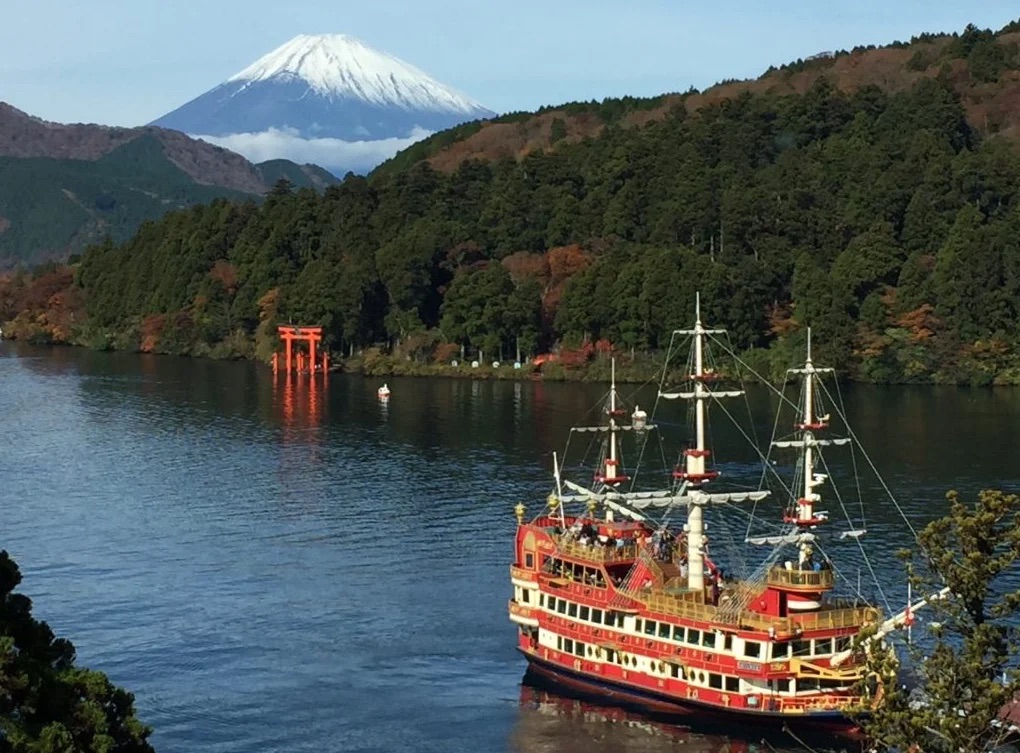
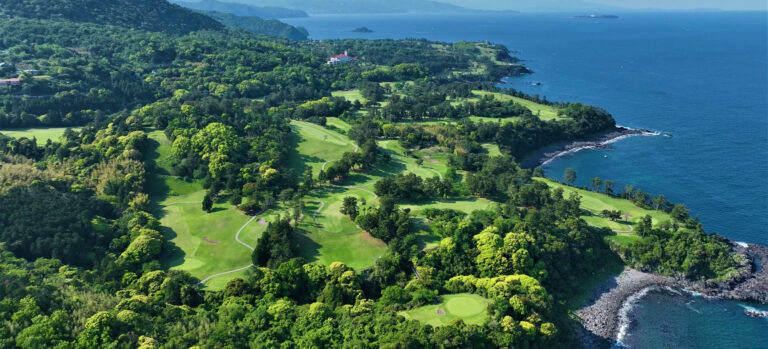
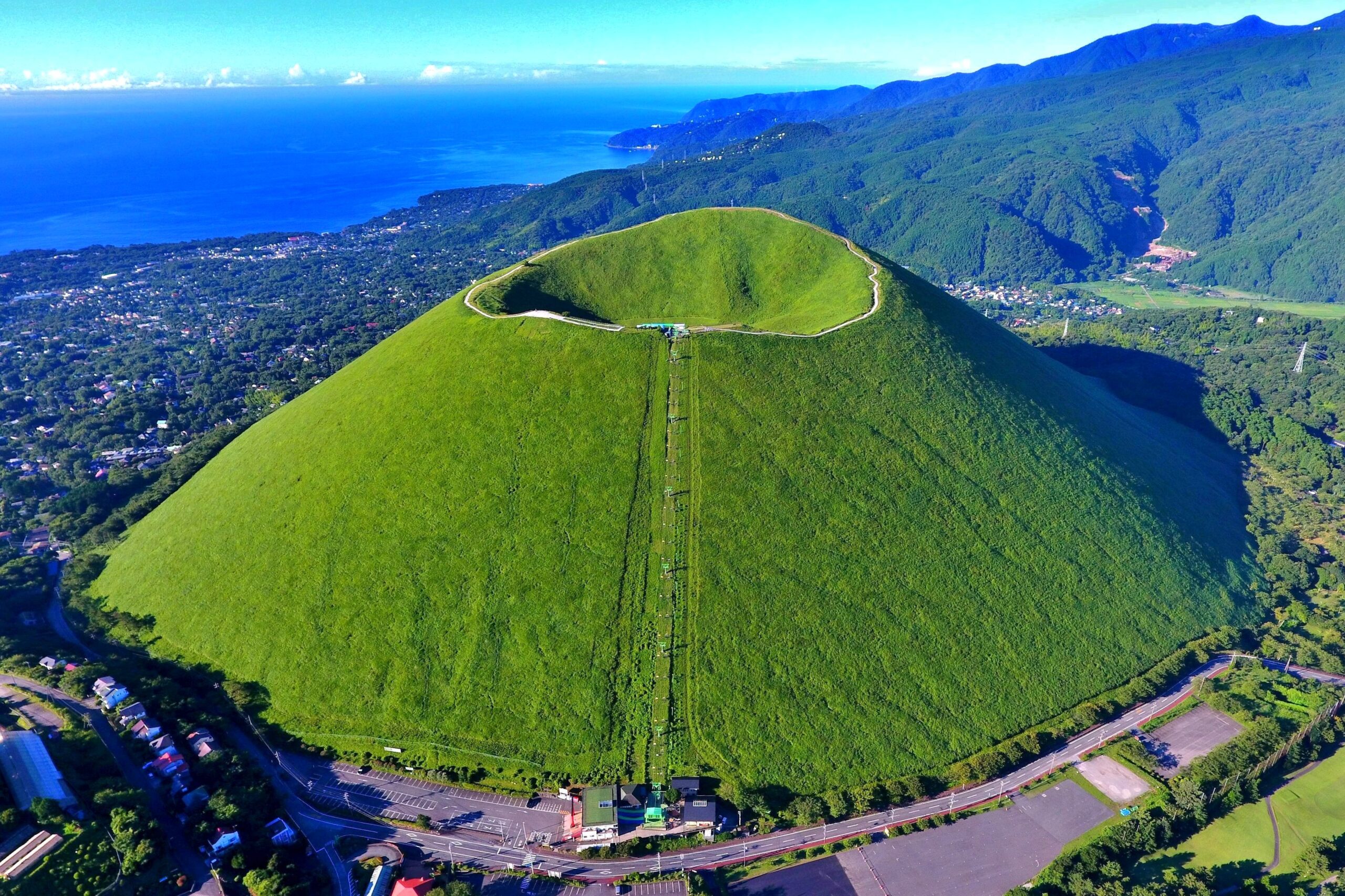
Area photos show the typical setting, not the specific properties below.
Where to stay
The ryokan we’d recommend
Sea · Design · Open-air baths
Atami
The most glamorous way into Izu — big sea views, strong design and a private bath in almost every room.
ATAMI Kaihoro
ATAMI 海峯楼
Only four rooms, which makes it the hardest booking in Atami. Kengo Kuma oversaw the design — it’s all light, water and glass, and very, very quiet. Every room has its own open-air bath looking straight out to sea.
¥75,000–120,000 JPY / person / nightAnniversaries · total privacy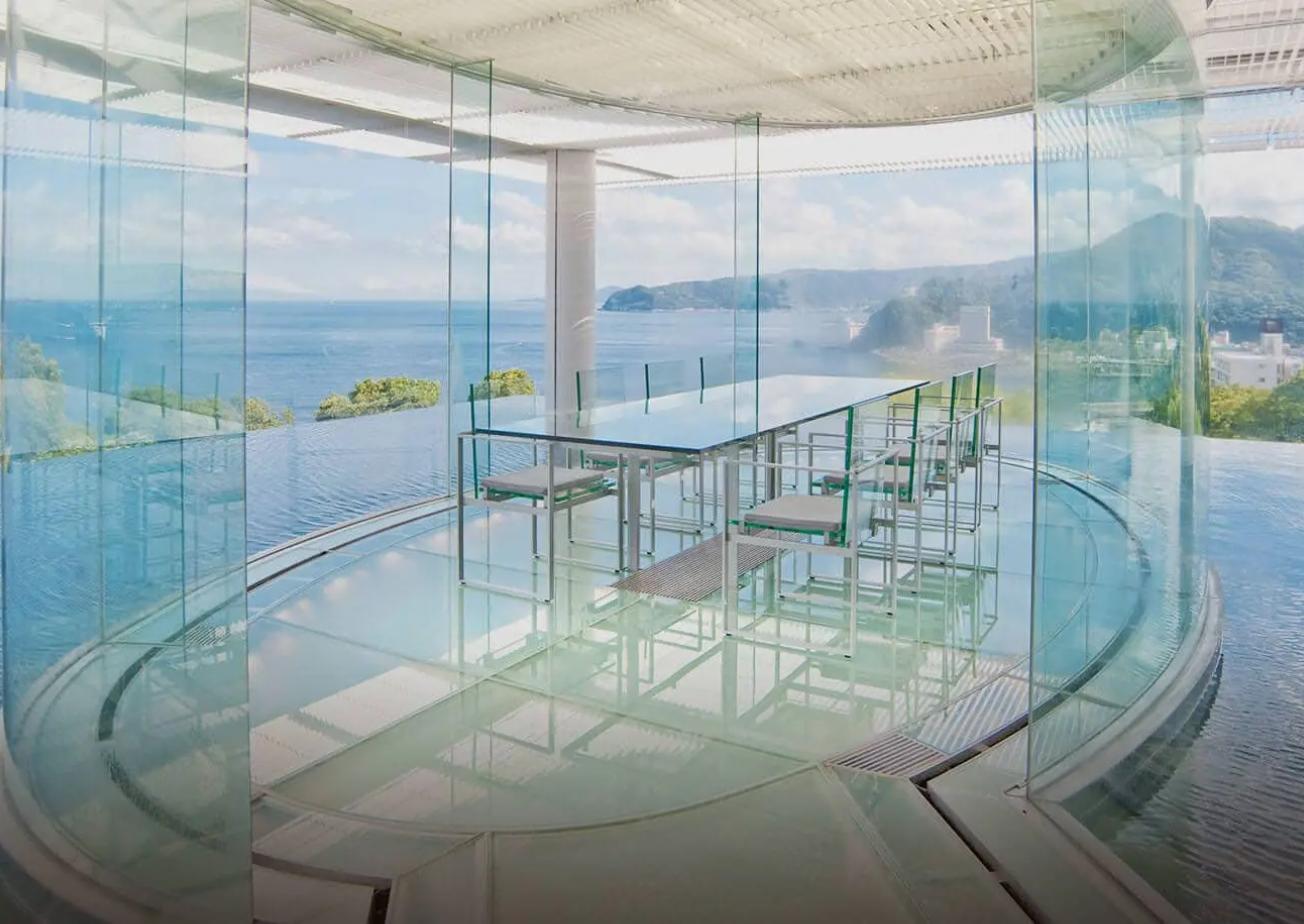
FUFU Atami
ふふ 熱海
Every room has an open-air bath, the rooms are big and stylish, and it’s a real favourite with Tokyo regulars. The food is delicate and the service has a lovely, unhurried rhythm.
¥55,000–90,000 JPY / person / nightSpace · stylish rooms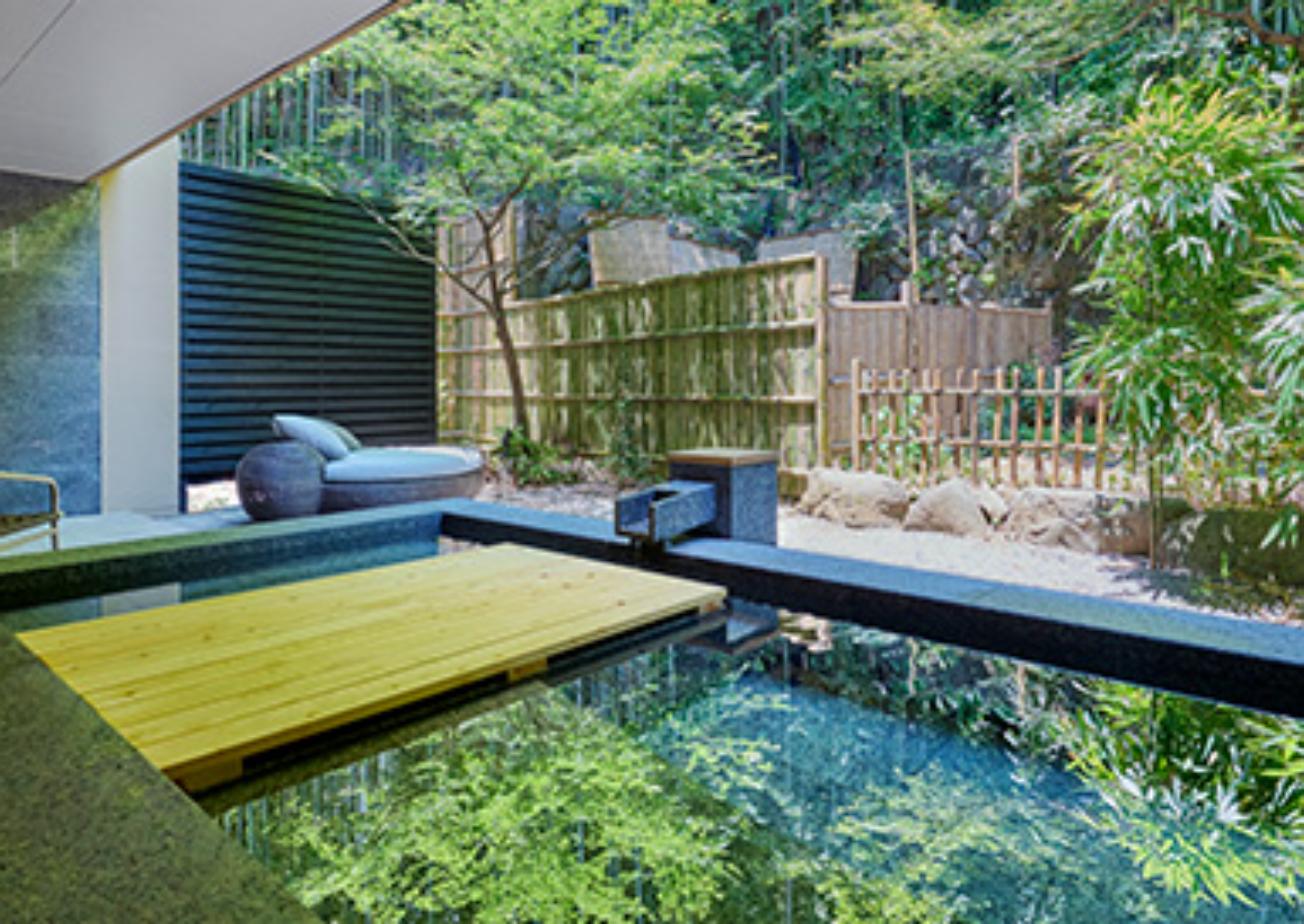
ATAMI Sekaie
ATAMI せかいえ
Gorgeous sea views and plenty of room types. The big open-air bath sits in a spectacular spot and is honestly the star of the show.
¥45,000–80,000 JPY / person / nightOcean lovers · newer feel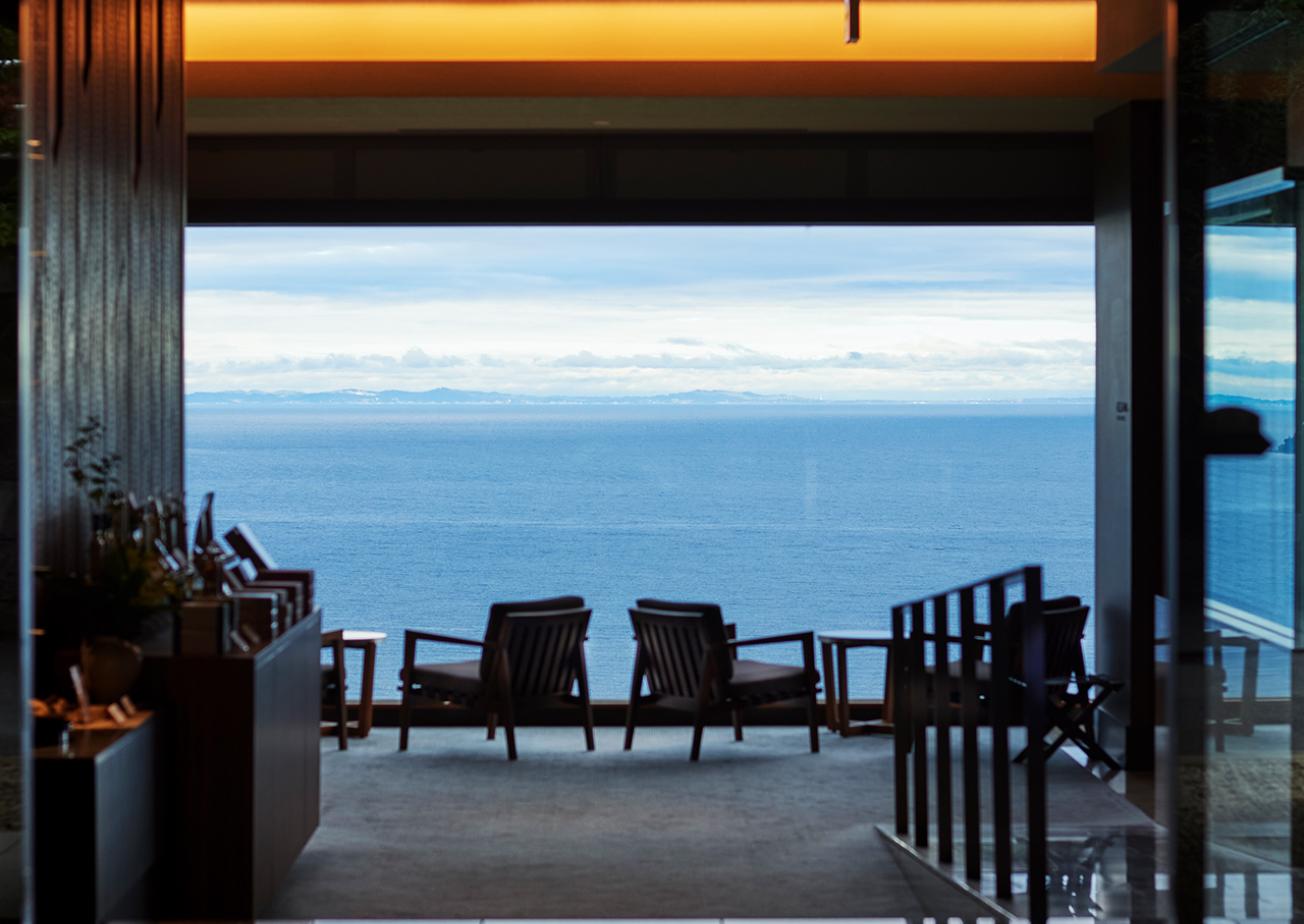
Temples · Heritage · Pure Japanese
Shuzenji
The heart of classic ryokan culture — old wooden buildings, gardens and a slower onsen-town rhythm.
Asaba
あさば
One of the finest ryokan in Japan: a pond garden, a Noh stage, beautiful wooden buildings and service so quiet you barely notice it. For many travellers this is the dream stay. It’s hard to book — and worth it if you want the very top.
¥70,000–110,000 JPY / person / nightThe ultimate ryokan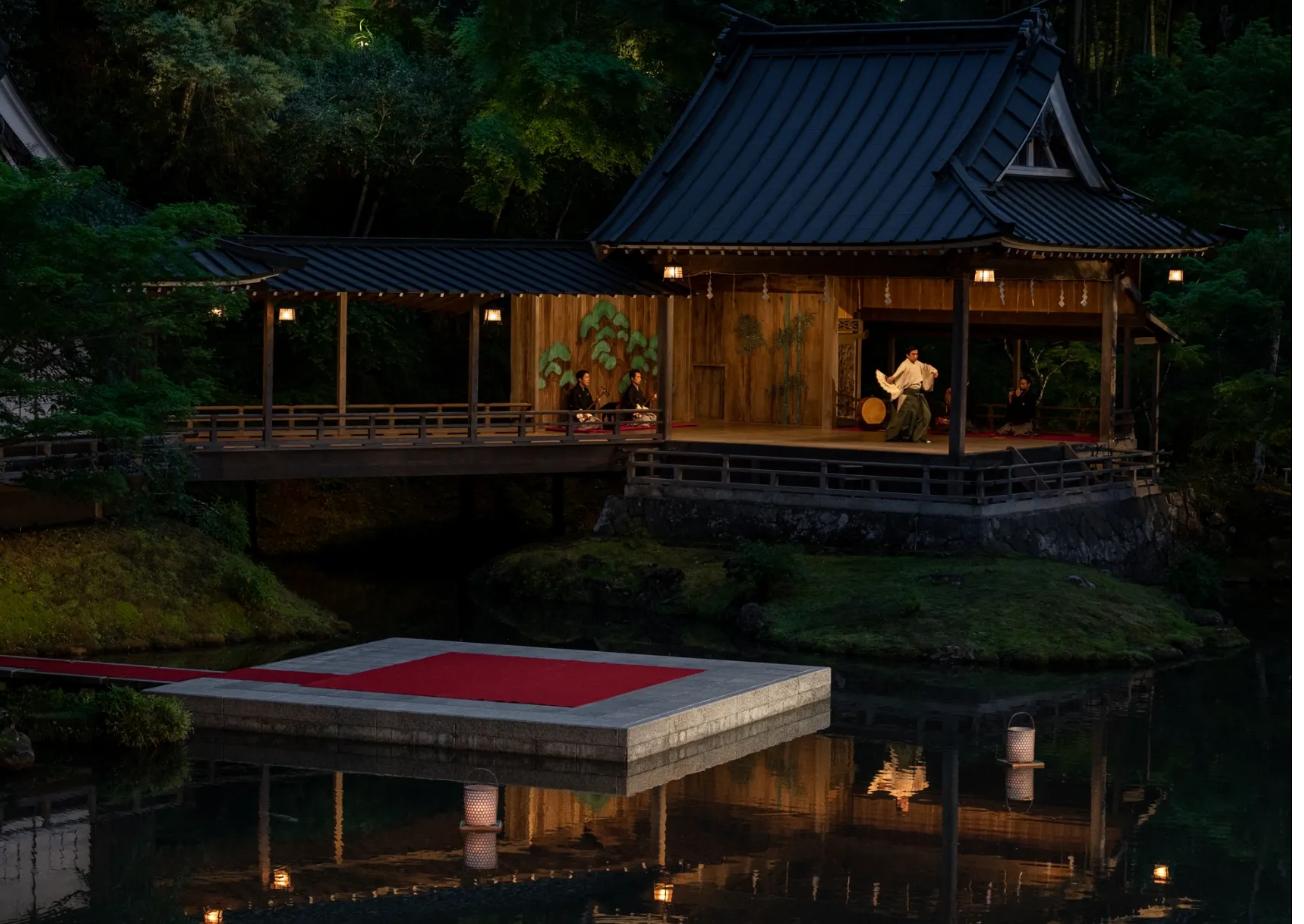
Arai Ryokan
新井旅館
Its Meiji-era buildings are registered cultural properties, so staying here feels like living inside a museum — the corridors, baths and garden look much as they did a century ago.
¥35,000–60,000 JPY / person / nightHistory · old inns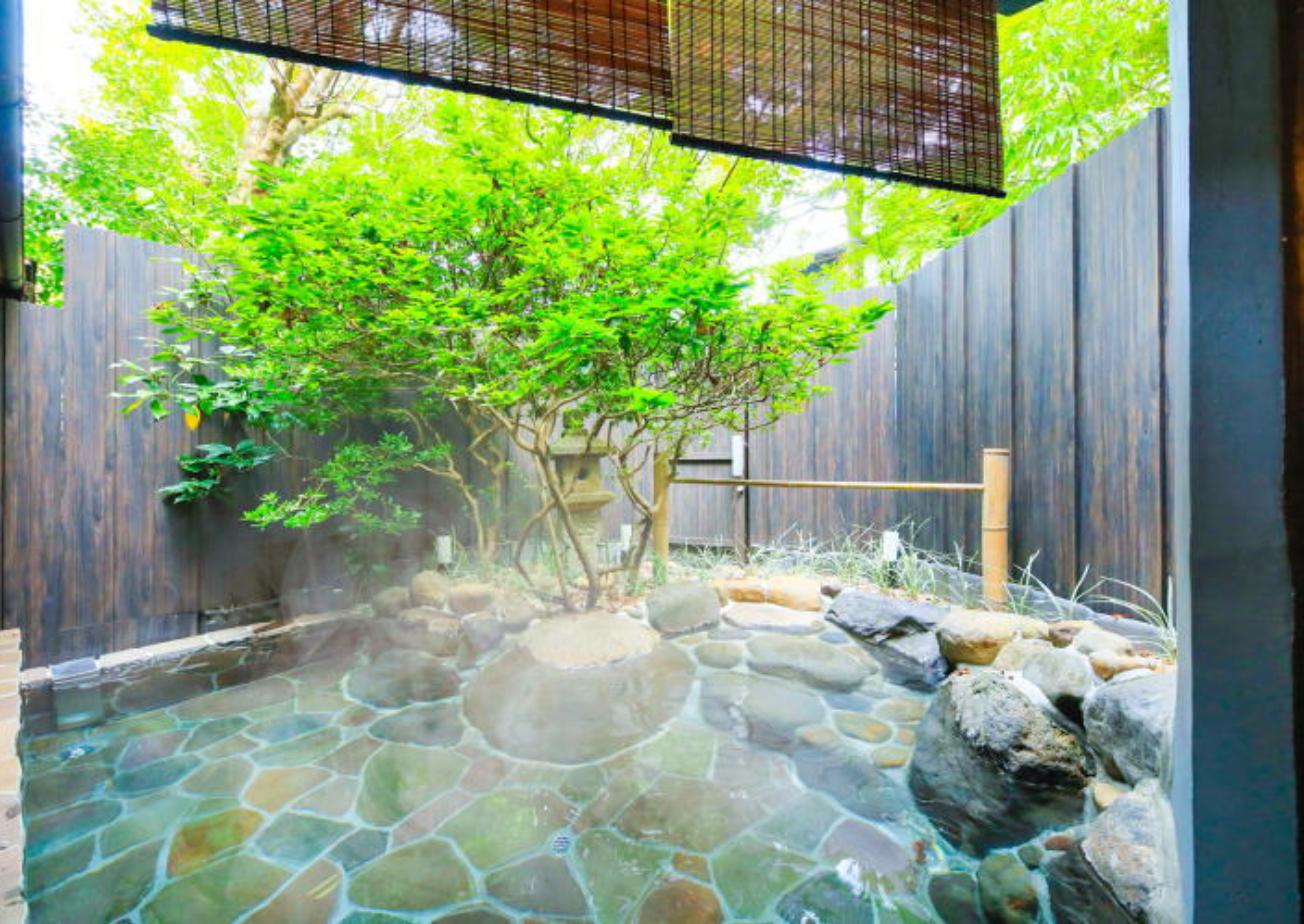
Yukairo Kikuya
湯回廊 菊屋
Around four centuries of history, with its famous covered “yu-kairo” walkways. Classic in feel but sensibly updated, so it’s perfectly comfortable. Excellent value.
¥28,000–50,000 JPY / person / nightBest value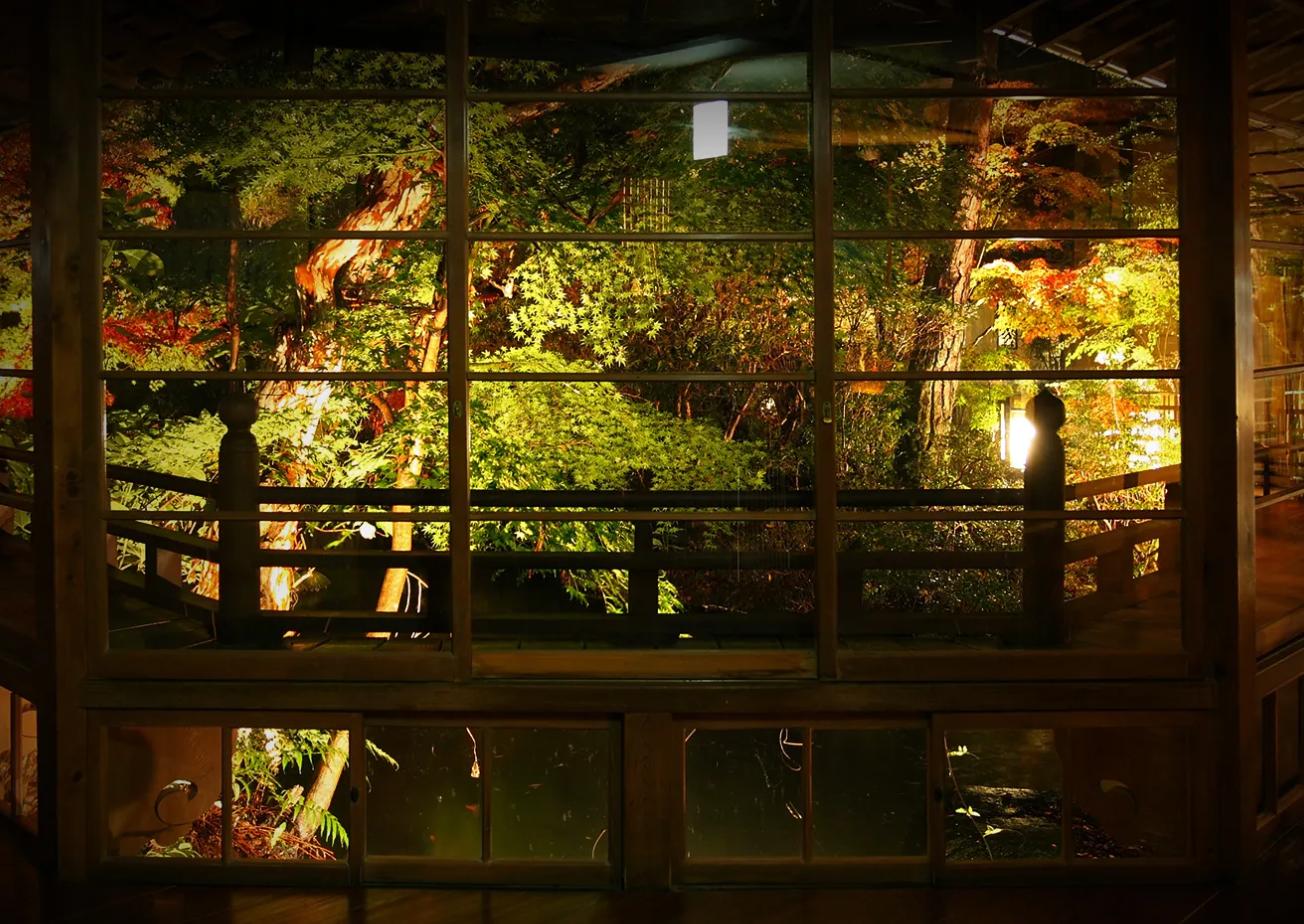
Forest · River valley · Hidden luxury
Naka-Izu
Inland Izu, tucked into forest along the Kano River — quiet, private and very good food.
Arcana Izu
アルカナイズ
Every room has an open-air bath and sits right above the Kano River valley. Calm, elegant, and best known for its French tasting menus — a food lover’s favourite in Izu.
¥50,000–90,000 JPY / person / nightFood lovers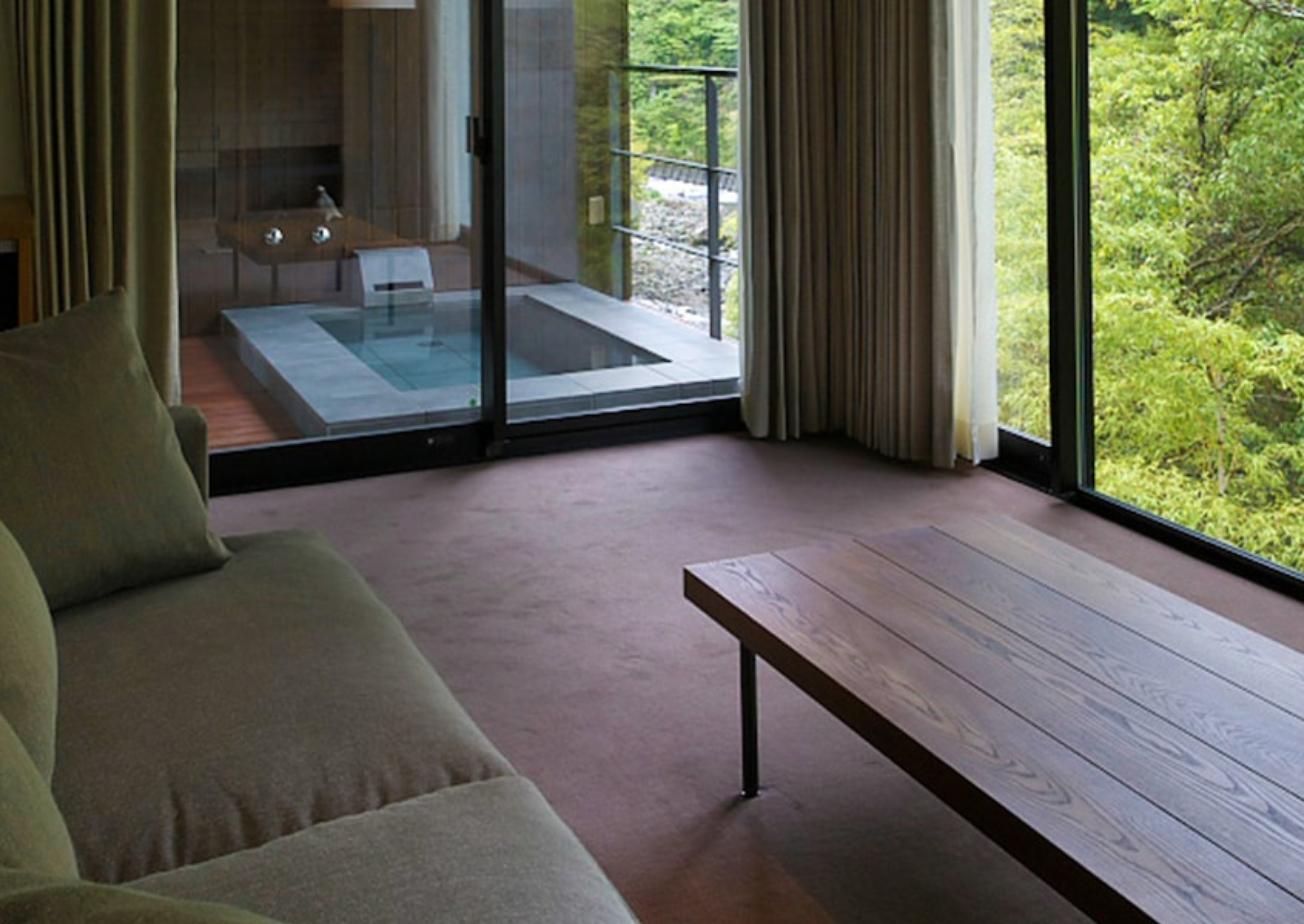
Mountains · Shrines · Art
Hakone
The most famous onsen area near Tokyo, with museums, volcanic scenery and a deep bench of great ryokan.
Gora Kadan
強羅花壇
Built around a former imperial-family villa, this is Hakone’s most iconic luxury ryokan. Garden, corridors, baths and food are all top class, and the service has real depth. A safe, wonderful choice for a first trip to Japan.
¥60,000–100,000 JPY / person / nightFirst trip to Japan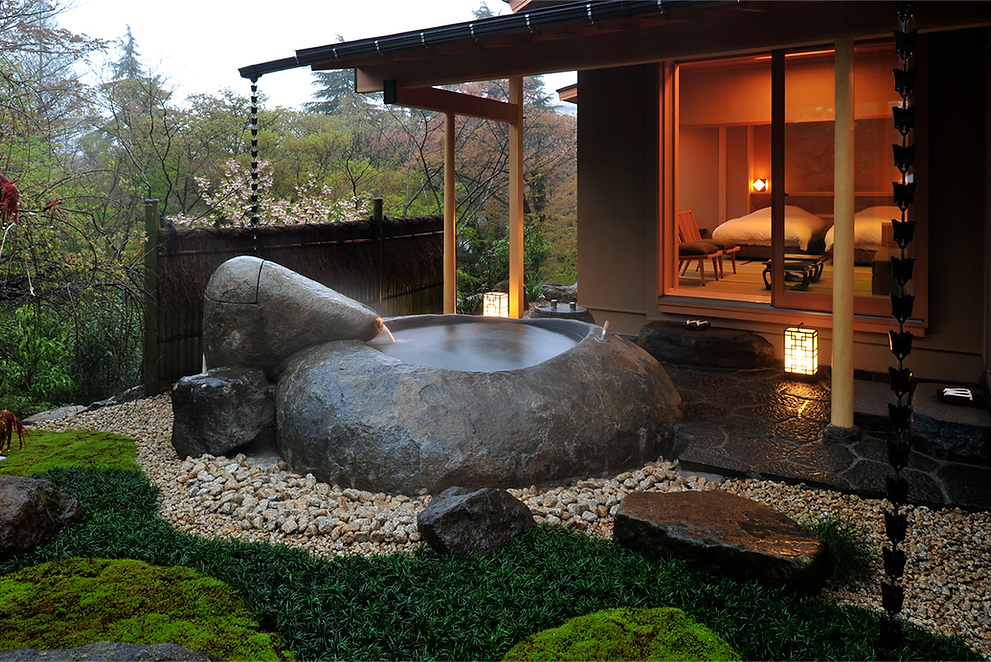
Hakone Suishoen
箱根・翠松園
Tucked into the trees, with an open-air bath in every room and a mix of Japanese and Western design. Excellent food, an elegant pace and plenty of privacy. More modern, roomier and more hidden away than Gora Kadan — the one people who really know ryokan tend to pick.
¥55,000–95,000 JPY / person / nightRyokan connoisseurs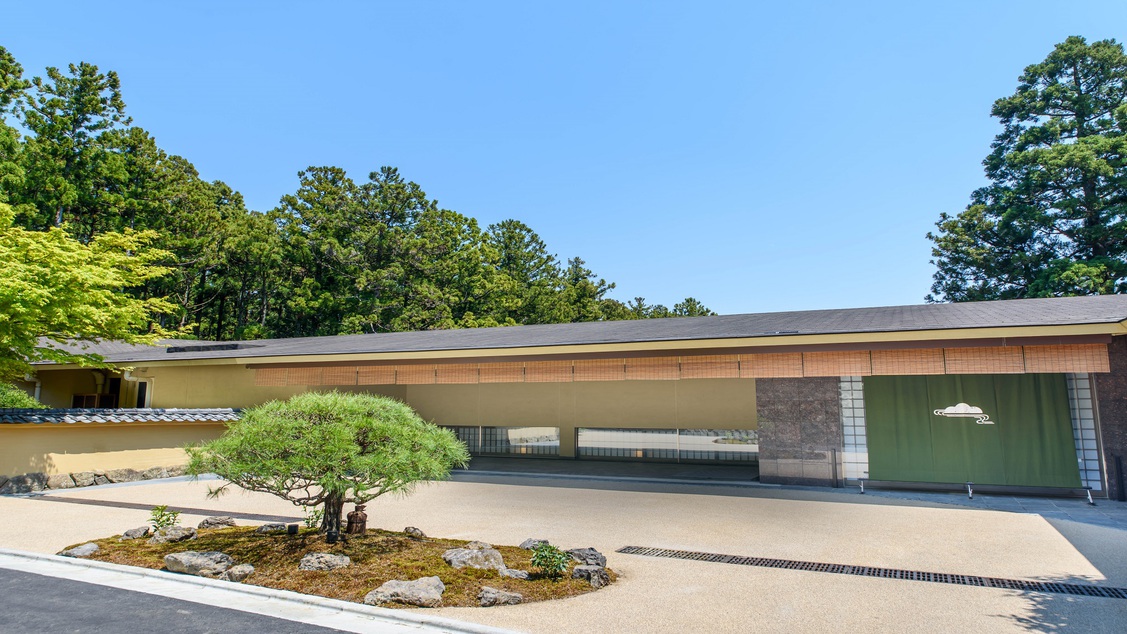
All prices are in Japanese yen (JPY). Ryokan guide prices are per person, per night, based on two sharing, with dinner and breakfast. They come from our 2025 planning notes — actual rates depend on the date, room type and dinner plan, and we confirm them when we quote. Ryokan photos courtesy of each property’s official website.
Five-day route for two
Sea, volcano, temples, mountains — then the city
Leaving from Tokyo, this route shows off Izu’s three very different sides, with a special stay every night and your own driver throughout.

- Tokyo → Kamakura → Atami
- Izu Kogen — Mt Omuro & Jogasaki coast
- Shuzenji — temple town & bamboo
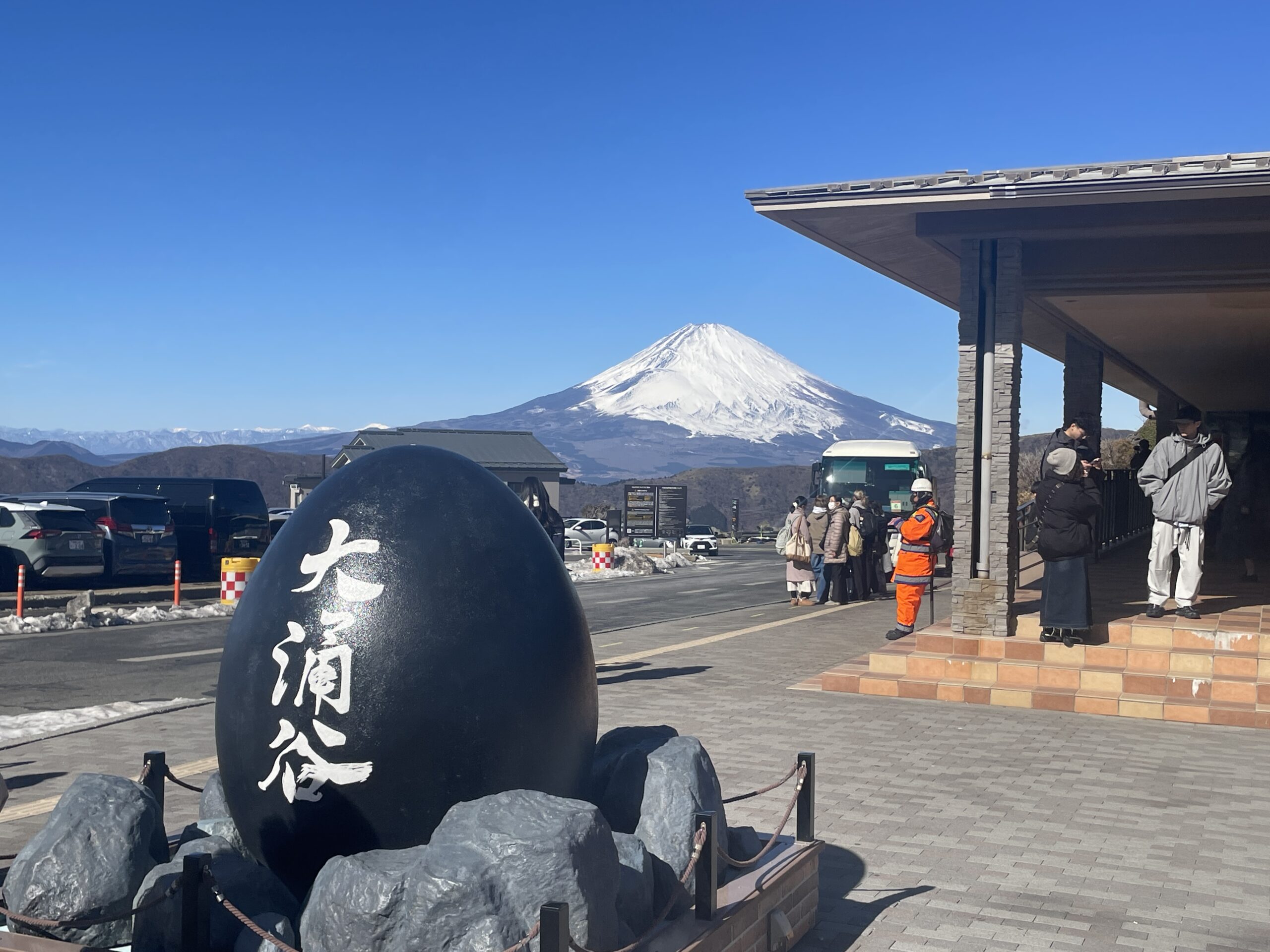
- Hakone — shrine, volcano, lake
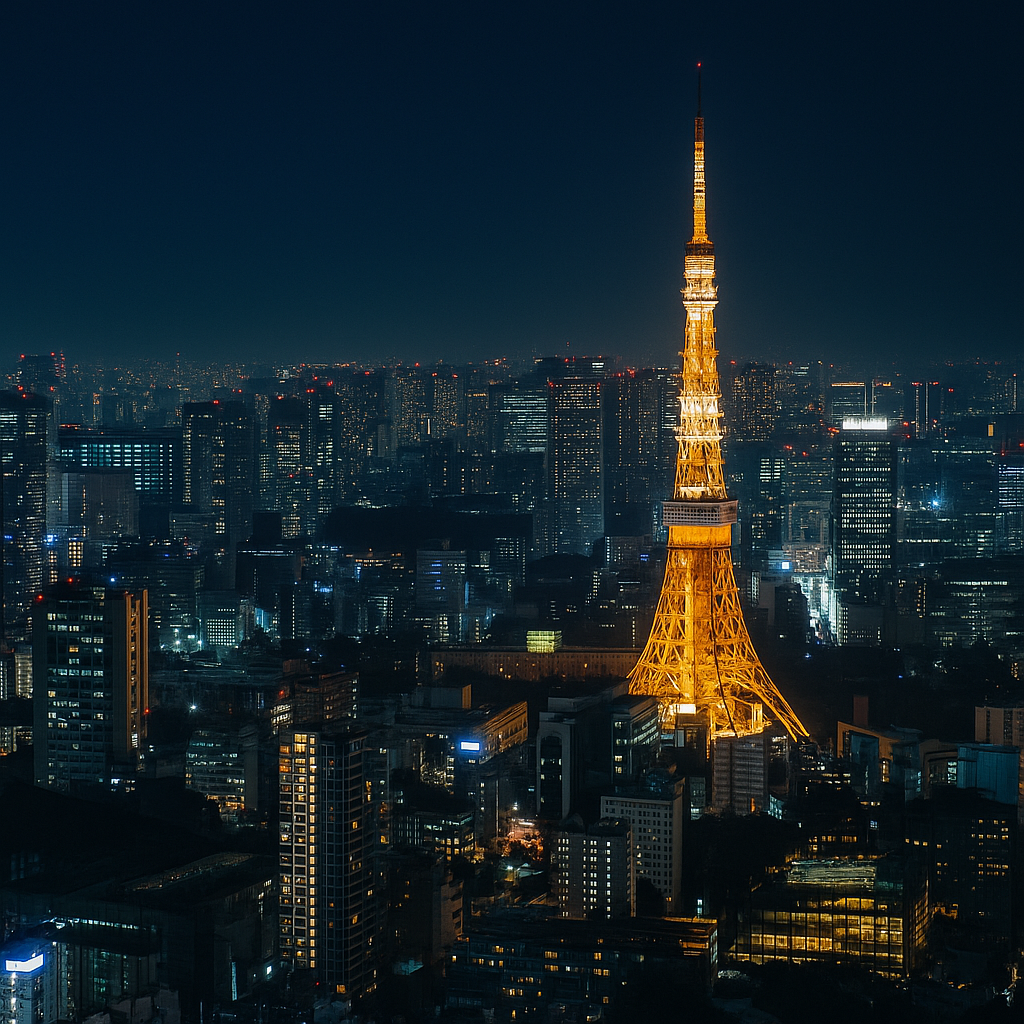
- Tokyo — city day & departure
Schematic map, not to scale.
Tokyo → Kamakura → Atami
We meet you at the airport and head south, stopping in Kamakura for the Great Buddha and the Hase-dera area. In Atami, take in Sagami Bay from the Atami Castle lookout and spend time at the MOA Museum of Art, then check in at Kaihoro or FUFU Atami.Tip: the Kamakura stop works best with a Haneda arrival — from Narita it makes for a very long first day.
Atami → Izu Kogen → Shuzenji
Head down to Izu Kogen and ride the lift up Mt Omuro to walk the crater rim, with Mt Fuji and the Izu coast all around. Then the cliffs of the Jogasaki coast and the Kadowaki suspension bridge. In the afternoon we wind up into the hills to Shuzenji — Asaba, Arai Ryokan or Kikuya.
Shuzenji → Hakone
Wander the onsen town: the bamboo path, the Katsura River and Shuzenji Temple itself. Soba or local food for lunch, then on to Hakone — with Mishima Skywalk or a Naka-Izu viewpoint on the way if you like. Check in at Gora Kadan or Suishoen.
Hakone → Tokyo
Start at Hakone Shrine and its lakeside torii, ride up to steaming Owakudani, then cruise Lake Ashi with Fuji views. Add the Hakone Open-Air Museum if you love art. In the evening, your driver takes you back to Tokyo for a night at Aman Tokyo.
Tokyo & departure
A free day in the city — shopping, galleries, cafés or a drink with a view — before your driver takes you to Narita or Haneda.
Five days, and you get the sea, a volcano, forest, temples and a top city hotel. Every night is somewhere special, and every transfer comes with a driver looking after your luggage and your pace — ideal if you want to slow down and really enjoy Japan.
Per person, based on two travelling together — including four nights at ryokan of this level, a private car and driver for all five days, and the sightseeing on this route. The final figure depends on your dates, room types and dinner choices, and we confirm it when we quote.
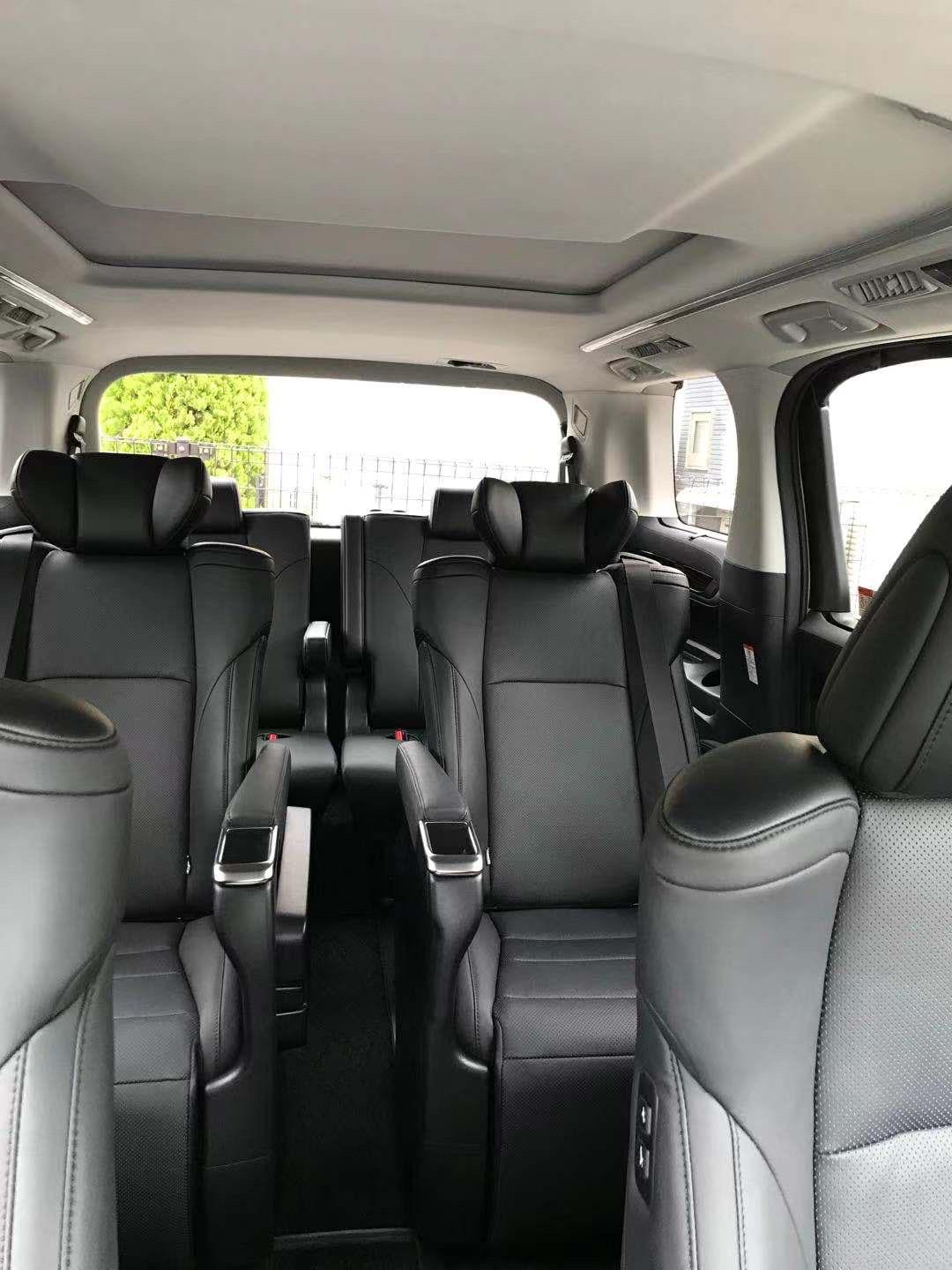
Miramar private chauffeur
Two guests is all it takes
You get your own driver and a Toyota Alphard for the whole trip. Plans change? No problem — we adjust as we go.
- Airport pick-up and drop-off
- Luggage handled at every stop
- Help with ryokan check-in and requests
- Stops and timing adjusted to your pace
Good to know
Questions we get asked a lot
How far ahead should I book?
Earlier than you’d think. Places like Kaihoro, FUFU Atami, Asaba and Gora Kadan fill up fast in spring and autumn. One to three months ahead is usually fine; for cherry blossom, autumn leaves or New Year, go earlier. Some only release a few rooms each month, so if your dates are fixed, start early.
What’s the difference between Atami, Shuzenji and Hakone?
Atami is the sea: views, design and a resort feel. Shuzenji is forest and temples — quiet and very private. Hakone mixes museums, culture and the volcanic scenery of Owakudani, with the widest choice of ryokan. They really are three different experiences.
Why do prices vary so much?
Room size, whether you have a private open-air bath, the view (sea, mountain or garden), the level of the food and the name of the place all play a part. For two sharing, top traditional ryokan usually run about ¥50,000–120,000 JPY per person per night, and the most private ones, like Kaihoro or Asaba, can go higher.
Any etiquette I should know?
Try to arrive before dinner — kaiseki at these places is served on a set schedule and can’t be pushed back much. In the baths, no photos and keep your voice down. A small towel is fine to bring in, but keep it out of the water; leave the big towel in the room. Yukata are usually fine to wear to dinner and around the ryokan. Tell us about allergies or dietary needs before you arrive.
Are dinner and breakfast included?
At most top ryokan in Izu and Hakone, yes — it’s “one night, two meals”. Dinner is usually kaiseki built around local, seasonal ingredients. Some design-led places serve Western or creative menus instead.
I don’t speak Japanese — will that be a problem?
Most top ryokan have staff who speak some English, though a few traditional ones work mainly in Japanese. With a Miramar driver and itinerary, we help with check-in, requests and meal details, so language isn’t something you need to worry about.
How far apart are Atami, Shuzenji and Hakone?
Closer than people expect. Atami to Shuzenji is about 40 minutes by car, and Shuzenji to Hakone about an hour. With your own driver you can stop wherever you like on the way — no dragging suitcases, no rushing for trains.
Is this a good trip for just two people?
It’s ideal. Sea-view, forest and design ryokan are all about privacy and quiet, and that’s exactly what a couple gets the most out of. Add a private car and you set the pace completely.
What’s the best way to plan five days?
The classic loop starts in Tokyo and runs Atami → Shuzenji → Hakone → back to Tokyo. The scenery changes a lot and each ryokan feels completely different. Your driver takes care of luggage, check-ins and the links between each stop.
What does Miramar’s private chauffeur service include?
From just two guests you get your own driver and a Toyota Alphard for the whole trip — help with luggage, ryokan check-in, flexible sightseeing stops, airport transfers and route planning around your ryokan. If something comes up on the day, we adjust.
Keep reading
More on onsen, ryokan and slow travel
A few guides we’ve written to help you get the most out of your stay — plus similar routes we’ve planned for guests.
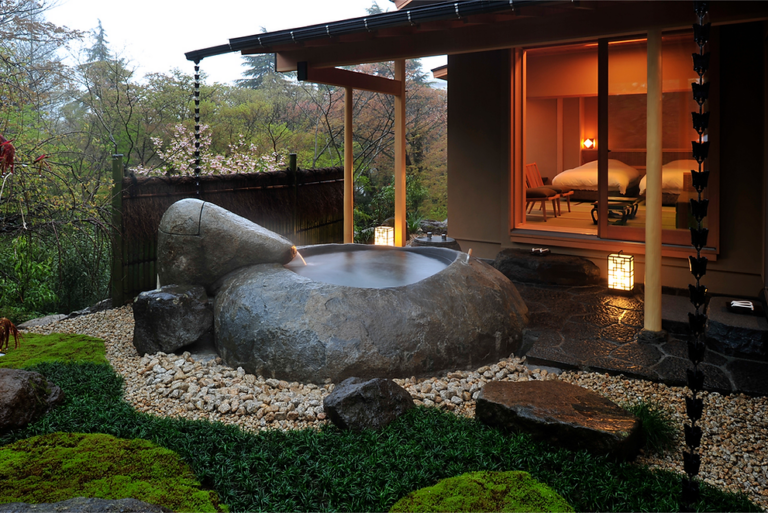
First Time Staying at a Japanese Onsen Ryokan: Complete Tips, Etiquette & Guide
A complete beginner’s guide to Japanese onsen ryokan culture. Learn onsen rules, bathing etiquette, yukata wearing, meal…
Read the guide →
Discover the Best Onsen Areas in Hakone: A Complete Guide for International Travelers
A complete guide to Hakone onsen areas, featuring traditional ryokan, luxury hot spring stays, and kaiseki dining. Perfect for…
Read the guide →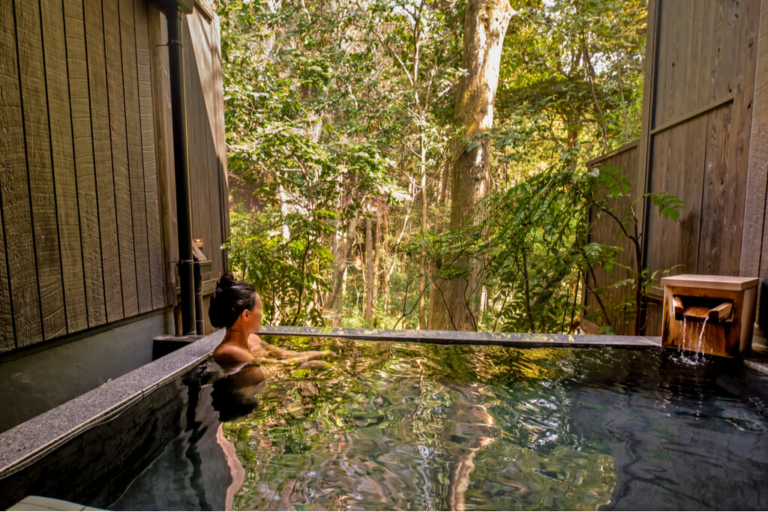
How Japanese Really Enjoy Onsen Travel: Ryokan Rhythm, Kaiseki, and the Art of Slowing Down
For Japanese travelers, onsen travel is not about sightseeing, but about slowing down. Discover how ryokan rhythm, private baths,…
Read the guide →Similar private journeys
All journeys →Hakone–Atami 3-Day Onsen Escape
Private 3-day Hakone and Atami onsen journey from Tokyo with a dedicated chauffeur. Stay at refined ryokan with in-room onsen and enjoy seasonal…
View journey →
Mt.fuji Hakone Luxury 5-Day Tour | HOSHINOYA Fuji × Gorakadan × Imperial Hotel Tokyo
Experience Japan’s ultimate luxury in 5 days. Stay at HOSHINOYA Fuji, Gorakadan, and Imperial Hotel Tokyo with private chauffeur service. Discover…
View journey →Plan with Miramar
Tell us your dates — we’ll take care of the ryokan
Let us know when you’re travelling, how many of you there are and the kind of stay you have in mind. We’ll check availability at these ryokan, map out a route that actually works, and send you a clear quote.
Plan your ryokan tripBrowse all journeysPlan a similar journey
Begin with the route that suits your dates and priorities.
Share your group, preferred pace and the experiences that matter most. Miramar will shape the route around the actual journey rather than copy this case study.